






1. UNESCO Bid for Cultural Recognition
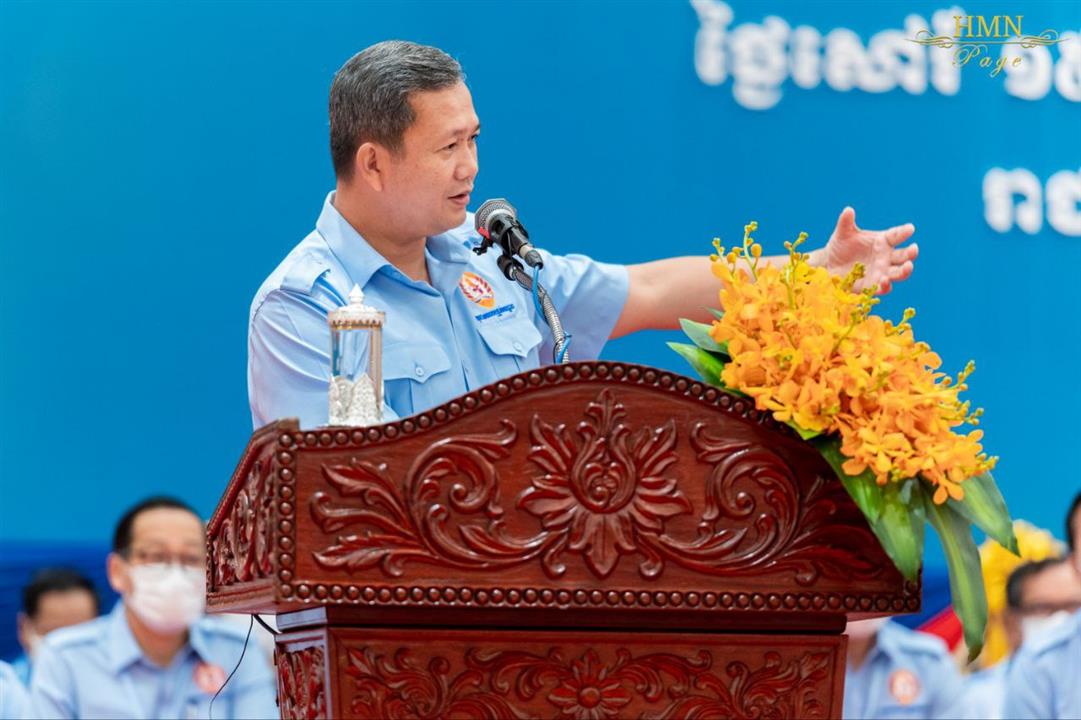
In 2025, Cambodia is making a historic push to secure UNESCO Intangible Cultural Heritage status for its version of Songkran, known locally as Chol Chnam Thmey (Khmer New Year). Prime Minister Hun Manet has emphasized the festival’s deep roots in Khmer traditions, urging nationwide celebrations to showcase authentic rituals and games while distinguishing it from neighboring countries’ practices like Thailand’s water-centric Songkran. The government aims to highlight Cambodia’s unique cultural identity through UNESCO’s rigorous evaluation process, which prioritizes historical evidence and community participation.
2. Dates and Spiritual Significance
The 2025 Khmer New Year will unfold from April 14 to 16, aligning with the Buddhist lunisolar calendar and marking the end of the harvest season. Each day holds distinct rituals:
– **Maha Sangkran** (April 14): Families cleanse themselves ritually (hands in the morning, chest at noon, feet at night) and decorate homes to welcome the New Year’s deity.
– **Veareak Vanabat** (April 15): A day of charity, where Cambodians donate to the poor and honor ancestors at pagodas.
– **Veareak Laeung Sak** (April 16): Elders and Buddha statues are bathed in scented water to symbolize purification and gratitude.
3. Unique Traditions and Modern Adaptations
Unlike Thailand’s exuberant water fights, Cambodia’s celebrations focus on spiritual and communal activities. Since 2023, water fights and powder-throwing have been banned to prioritize safety. Instead, locals engage in:
– Traditional Games: Chol Chhoung (a team-based scarf-tossing game) and Bay Khom (a strategic seed-counting game).
– Culinary Heritage: Sharing dishes like kralan (bamboo-stuffed sticky rice) and nom banh chok (noodle soup), which symbolize unity and prosperity.
– Cultural Performances: The Apsara dance, rooted in Angkor-era mythology, takes center stage in Siem Reap and Phnom Penh.
4. Angkor Songkran Festival in Siem Reap
Siem Reap’s Angkor Songkran Festival will be a highlight, blending ancient traditions with modern flair. The event features sand stupa-building competitions, traditional art performances, and folk games like Bos Angkunh (seed-throwing contests). The province’s temples, including Angkor Wat, serve as majestic backdrops for rituals and parades.
5. Cultural Preservation and National Identity
Cambodia’s 2025 celebrations underscore efforts to safeguard Khmer heritage. The government has partnered with artists and communities to document endangered art forms and promote cultural exchange programs. Prime Minister Hun Manet also stressed the importance of distinguishing Khmer traditions from those of neighboring nations, ensuring UNESCO recognition reflects Cambodia’s historical precedence.
6. The 2025 Zodiac: Year of the Snake
In alignment with the Khmer zodiac, 2025 is the **Year of the Snake**, symbolizing wisdom and renewal. Temples and homes will incorporate snake motifs into decorations, and elders will share folktales about the serpent’s role in Khmer cosmology.
Conclusion
Cambodia’s 2025 Songkran is more than a New Year festival—it’s a vibrant assertion of cultural pride and continuity. From UNESCO aspirations to serene temple rituals, the celebrations offer a window into Cambodia’s rich heritage, blending reverence for the past with hopes for a prosperous future. Travelers are encouraged to explore Siem Reap’s grand festivities or immerse in rural traditions in provinces like Battambang and Kep, where community spirit shines brightest. By: Sambo Lim