





Introduction: A Celebration Reimagined
In April 2025, Cambodia will burst into color and joy during Khmer New Year, or Choul Chnam Thmey, a festival marking the end of the harvest season and the Buddhist lunar calendar. This year, the celebrations from April 13–16 promise to be extraordinary, blending ancient rituals with innovative initiatives, positioning Cambodia as a cultural beacon in Southeast Asia.
Historical Roots: Mythology and Legacy
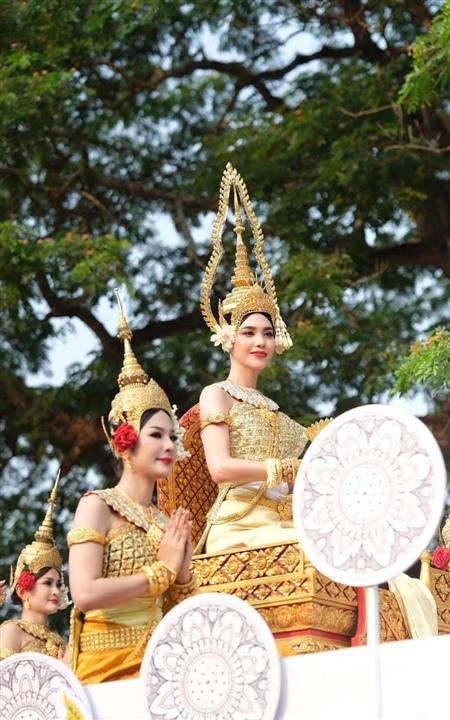
Rooted in Hindu-Brahmanism and later influenced by Buddhism, Khmer New Year honors the mythical descent of the New Year Angel Tevada to Earth. Legend says seven angels take turns annually, with 2025 welcoming Kiri Devi, symbolizing prosperity. The festival also aligns with the vernal equinox, reflecting Cambodia’s agrarian heritage.
Traditional Customs: A Three-Day Journey
1. Moha Sangkran (Day 1 – Welcoming the Angel): Families cleanse homes, offer fruits at temples, and pour scented water over elders’ hands for blessings.
2. Vanabat (Day 2 – Compassion and Charity): Communities donate to the less fortunate and build sand stupas at pagodas, symbolizing mountain meres.
3. Tngai Loeng Sak (Day 3 – Farewell and Renewal): Buddha statues are bathed in fragrant water, and playful water fights erupt, symbolizing purification.
Modern Celebrations: Cities Alive with Joy
Phnom Penh and Siem Reap transform into hubs of activity. Street parades feature floats inspired by Angkor Wat, while traditional games like Bos Angkunh (seed throwing) and Chol Chhoung (scarf toss) revive childhood nostalgia. Night markets buzz with delicacies like *Kralan* (bamboo sticky rice) and Nom Ansom (banana-leaf cakes).
2025 Highlights: Innovation Meets Tradition
– Eco-Conscious Festivities: To combat plastic waste, 2025 introduces biodegradable water guns and “Green Pagodas” promoting tree-planting.
– Digital Engagement: Live-streamed rituals and AR apps will guide tourists through Angkor Wat’s history, merging tech with culture.
– Tourism Revival: Post-pandemic, Cambodia launches “Visit Cambodia 2025,” offering curated tours, including homestays for authentic experiences.
Experiencing the Festival: Tips for Travelers
– Plan Early: Book accommodations months ahead; Siem Reap’s riverside hotels are prime spots.
– Dress Respectfully: Light, modest clothing is ideal for temple visits. Participate in water fights but avoid dousing monks or elders.
– Local Etiquette: Learn basic Khmer phrases like “Soursdey Chnam Thmey” (Happy New Year) to connect with locals.
Cultural Preservation and Innovation
Youth-led initiatives are revitalizing traditions: dance troupes remix Ramvong (circle dances) with modern beats, while NGOs host workshops on traditional mask-making. The government’s “Cultural Heritage 2025” campaign aims to document rituals, ensuring their survival for future generations.
Conclusion: The Heartbeat of Cambodia
Khmer New Year 2025 is more than a festival—it’s a testament to Cambodia’s resilience and creativity. Whether you’re navigating Siem Reap’s lively streets or sharing a meal with a local family, the spirit of renewal and unity is palpable. As the sun sets on the final day, the message is clear: Cambodia’s traditions are timeless, yet ever-evolving.
Join the Celebration:
Mark your calendar for April 13–16, 2025, and witness a nation rejoicing in its heritage while embracing the future. In the words of a Phnom Penh elder, “Our New Year is not just a date; it’s the soul of Cambodia.”
This article combines historical depth, practical travel advice, and forward-looking initiatives to offer a fresh perspective on Khmer New Year 2025, inviting readers to explore Cambodia’s rich cultural tapestry. By: Sambo Lim